1. Describe what you found
Tell the team about syringes, powders, stains or smells. You do not need to explain why they are there.
Trainer, PA · Delaware County
Is a rental unit, a family member's room or a vacant building in Trainer full of items nobody wants to touch? Call (877) 812-4220 for paraphernalia removal, residue cleaning and discreet service.
If anyone is in danger, call 911 first. For a suicide crisis, call or text 988.
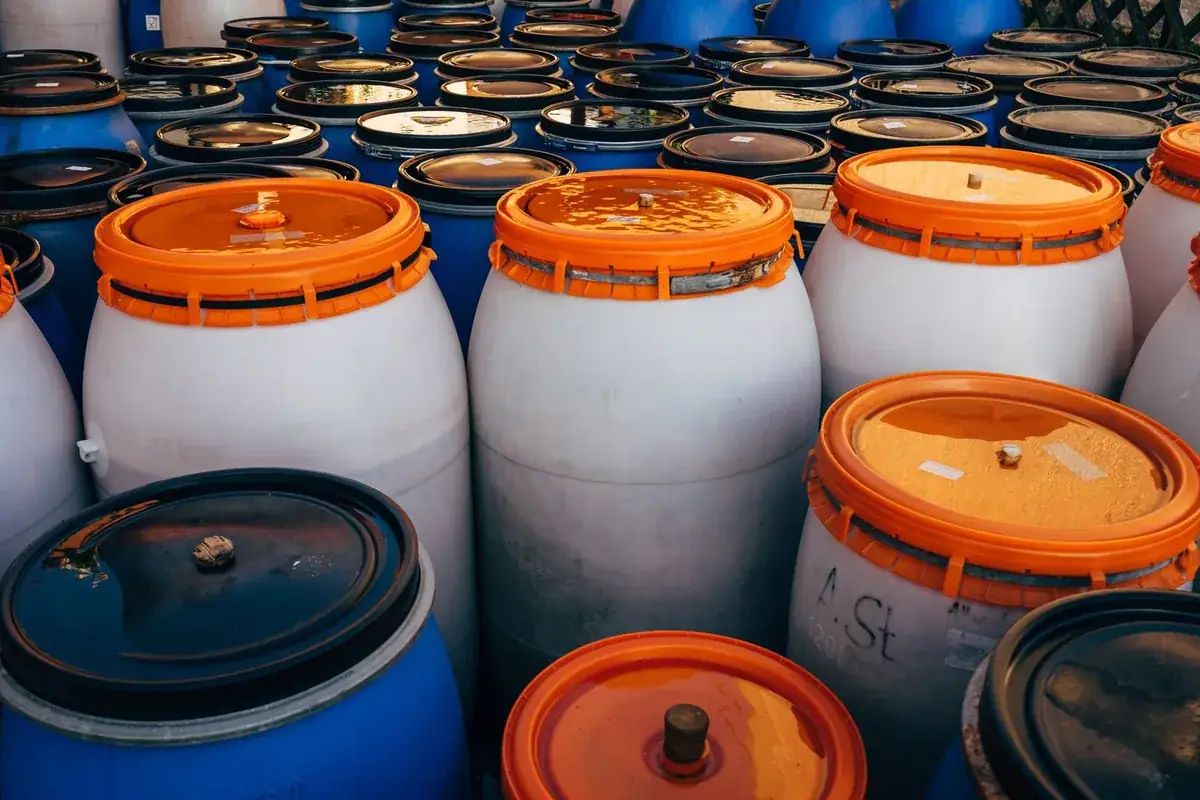
Paraphernalia removal is the first half of a drug use cleanup. Sharps go into puncture-resistant containers, other items are bagged and sealed, and everything is taken away as regulated waste.
If you are unsure whether your space in Trainer needs cleaning, you can talk with Trainer Biohazard Cleanup Help about it in Delaware County. The team helps sort out what is paraphernalia cleanup and what may call for more testing.
The vacancy rate in Delaware County is only about 6%, so most paraphernalia calls come from occupied homes, rentals and businesses. Emergency care for people in Trainer is available at Crozer Chester Medical Center in Upland. Cleanup can wait until everyone is safe.
The work often covers:
Tell the team about syringes, powders, stains or smells. You do not need to explain why they are there.
Needles and other sharps are lifted and sealed before anything else is moved.
Floors, furniture and fixtures are cleaned. Porous materials that hold residue are cut out or removed.
The crew cleans, checks, and walks the owner through what was done and what still needs attention.
The cost of drug paraphernalia cleanup in Trainer, PA depends on the amount of material, how it is packed and how it is hauled.
Soft materials make a difference. Carpet, padding, mattresses and upholstery that took in residue or fluids may have to be removed and replaced.
| Type of job | Typical range |
|---|
Published ranges only (); every drug paraphernalia cleanup job in Trainer is priced after an on-site look. Price drivers include amount of material, whether residue is present, surfaces affected, waste disposal. Questions? Call (877) 812-4220.
No. This page explains how drug paraphernalia cleanup works. It is not medical, legal or insurance advice. For symptoms, contact a doctor or Poison Control, and for legal questions, ask an attorney.
It can. Powders and stains may stay on floors, furniture, bedding and in vents after the items are gone. That is why a team cleans and disinfects the surfaces and removes soft materials that cannot be cleaned. Ask what the plan covers.
Vehicles can hold syringes, residue and odor in seats, carpets and vents. Ask whether the team cleans vehicles and how soft materials are treated. Crews use the same protective gear and sealed containers as in a building.
Do not touch, sweep or smell it, and do not try to clean it up first. Keep children and pets away. If anyone touched or swallowed it, call Poison Control, or 911 in an emergency. Then call a cleanup team to remove it safely.
Often, yes. Many teams can arrive in an unmarked vehicle and work quietly. If privacy matters, ask about it when you call. The crew shares only what it needs to plan the work.
Wash the area with soap and water and get medical care right away. Call 911 in an emergency. Poison Control can answer exposure questions. Tell the doctor what happened and where the needle was found, if you know.
A cleanup team removes the items, treats the surfaces and keeps the details private.
Call (877) 812-4220